Stop Wasting Budget: Smarter Branding for Gyms & Studios
by Eric Barker · November 11, 2025
The fitness industry is drowning in generic branding that fails to convert prospects into loyal members. Your gym or studio deserves better than cookie-cutter logos and forgettable messaging that gets lost in a sea of competitors.
Strategic branding for fitness businesses isn't just about looking good—it's about creating an emotional connection that transforms first-time visitors into lifetime advocates. When done right, smart branding becomes your most powerful membership acquisition and retention tool, driving measurable results that directly impact your bottom line.
Why Traditional Gym Branding Fails
Most fitness businesses approach branding backward. They start with colors and fonts instead of customer psychology. They focus on what they think looks professional rather than what actually motivates their target audience to take action.
The result? Gyms and studios that blend into the background noise of an oversaturated market. Your potential members can't tell the difference between you and the five other fitness facilities within a three-mile radius. Generic branding kills conversion rates and makes every new member acquisition exponentially more expensive.
Traditional branding mistakes include treating all fitness customers the same, ignoring the emotional drivers behind fitness decisions, copying competitor aesthetics without understanding strategy, and failing to differentiate beyond price and location. These approaches lead to weak brand recognition, difficulty charging premium prices, high member churn rates, and expensive customer acquisition costs.
Smart branding flips this script entirely. Instead of starting with design, successful fitness brands begin with deep customer psychology research. They identify the specific fears, desires, and motivations that drive their ideal members to seek out fitness solutions.
The Psychology Behind Fitness Branding
Fitness is fundamentally an emotional purchase disguised as a logical one. People don't join gyms because they rationally understand the health benefits of exercise—they join because they want to feel confident, attractive, strong, or part of a community.
Successful fitness branding taps into these core emotional drivers: transformation and hope, community and belonging, confidence and self-worth, achievement and progress, and lifestyle aspiration. Each demographic segment responds to different combinations of these psychological triggers.
For example, busy professionals might be motivated by efficiency and stress relief, while new parents could be driven by reclaiming their pre-baby identity. Young adults often seek social connection and Instagram-worthy experiences, whereas seniors prioritize health maintenance and gentle community.
| Target Segment | Primary Motivation | Brand Messaging Focus | Visual Style Direction |
|---|---|---|---|
| Busy Professionals | Time efficiency | Results in minimal time | Clean, modern, premium |
| New Parents | Reclaiming identity | Strong parent identity | Warm, supportive, energizing |
| Young Adults | Social connection | Community and fun | Bold, trendy, social-first |
| Seniors | Health maintenance | Gentle strength building | Trustworthy, welcoming, calm |
Understanding these psychological foundations allows you to create branding that resonates on a visceral level. Your visual identity, messaging, and customer experience should all reinforce the same emotional promise you're making to your ideal members.
Strategic Brand Architecture for Fitness Businesses
Effective fitness branding requires a systematic approach that goes far beyond logo design. Your brand architecture should encompass every touchpoint where potential and current members interact with your business.
The foundation starts with brand positioning—your unique place in the market that differentiates you from competitors. This isn't about being better; it's about being different in a way that matters to your specific audience.
Core brand elements include:
- Brand Purpose: The deeper reason your gym exists beyond making money
- Brand Values: The principles that guide every business decision
- Brand Personality: The human characteristics that define your gym's voice
- Brand Promise: The specific transformation you deliver to members
- Brand Story: The compelling narrative that connects emotionally
Your visual identity system should then bring these strategic elements to life through consistent application across all channels. This includes primary and secondary logos, color palette with psychological associations, typography that reinforces personality, imagery style and photography guidelines, and graphic elements and patterns.
But branding extends beyond visuals into experiential elements. Your brand should be evident in the music playlist, lighting and ambiance, equipment selection and layout, staff uniforms and behavior, cleaning protocols and facility maintenance, and digital experience across all platforms.
Consistency across these touchpoints creates what psychologists call the 'mere exposure effect'—the more familiar people become with your brand, the more they like and trust it.
Conversion-Focused Brand Messaging
Your brand messaging framework should address the complete customer journey, from initial awareness through long-term retention. Most fitness businesses make the mistake of creating messaging that talks about features instead of outcomes.
Effective fitness messaging focuses on transformation stories rather than equipment lists, community benefits over amenities, and personal achievement rather than general health statistics. Your messaging should make prospects feel understood and motivated before they ever step foot in your facility.
The messaging hierarchy should flow logically from headline promise through supporting benefits to proof points and calls to action. Your main headline should capture the primary transformation promise in emotional terms. Supporting messages should address common objections and barriers. Social proof should demonstrate real results from people similar to your prospects.
Consider this progression: instead of 'State-of-the-art equipment and certified trainers,' try 'Transform your body and mindset with personalized training that fits your busy schedule.' The first version lists features; the second version promises an emotional outcome while addressing a common barrier.
Your messaging should also evolve based on the customer's relationship with your brand. New prospects need motivation and barrier removal. Trial members need encouragement and quick wins. Established members need variety and progression challenges. Long-term members need community recognition and advanced goals.
Digital Brand Implementation Strategy
In today's fitness landscape, your digital presence often serves as the first impression for potential members. Your website, social media profiles, and online listings must immediately communicate your brand positioning and value proposition.
Website branding should focus on conversion optimization rather than just aesthetic appeal. This means strategically placing social proof, using compelling headlines that address specific pain points, implementing clear calls-to-action throughout the user journey, and showcasing transformation stories with before/after visuals.
Social media branding requires a different approach than traditional marketing. Fitness consumers on social platforms are looking for inspiration, community, and authentic content. Your brand should feel accessible and motivating rather than polished and corporate.
Content categories that reinforce fitness branding include member spotlight stories, behind-the-scenes facility content, trainer tips and mini-workouts, community events and challenges, and user-generated content from happy members. Each post should feel authentically connected to your brand personality while providing genuine value.
Online review management is also crucial for fitness branding. Potential members heavily research gyms and studios online before visiting. Your responses to both positive and negative reviews should reflect your brand values and demonstrate your commitment to member satisfaction.
Measuring Brand Impact and ROI
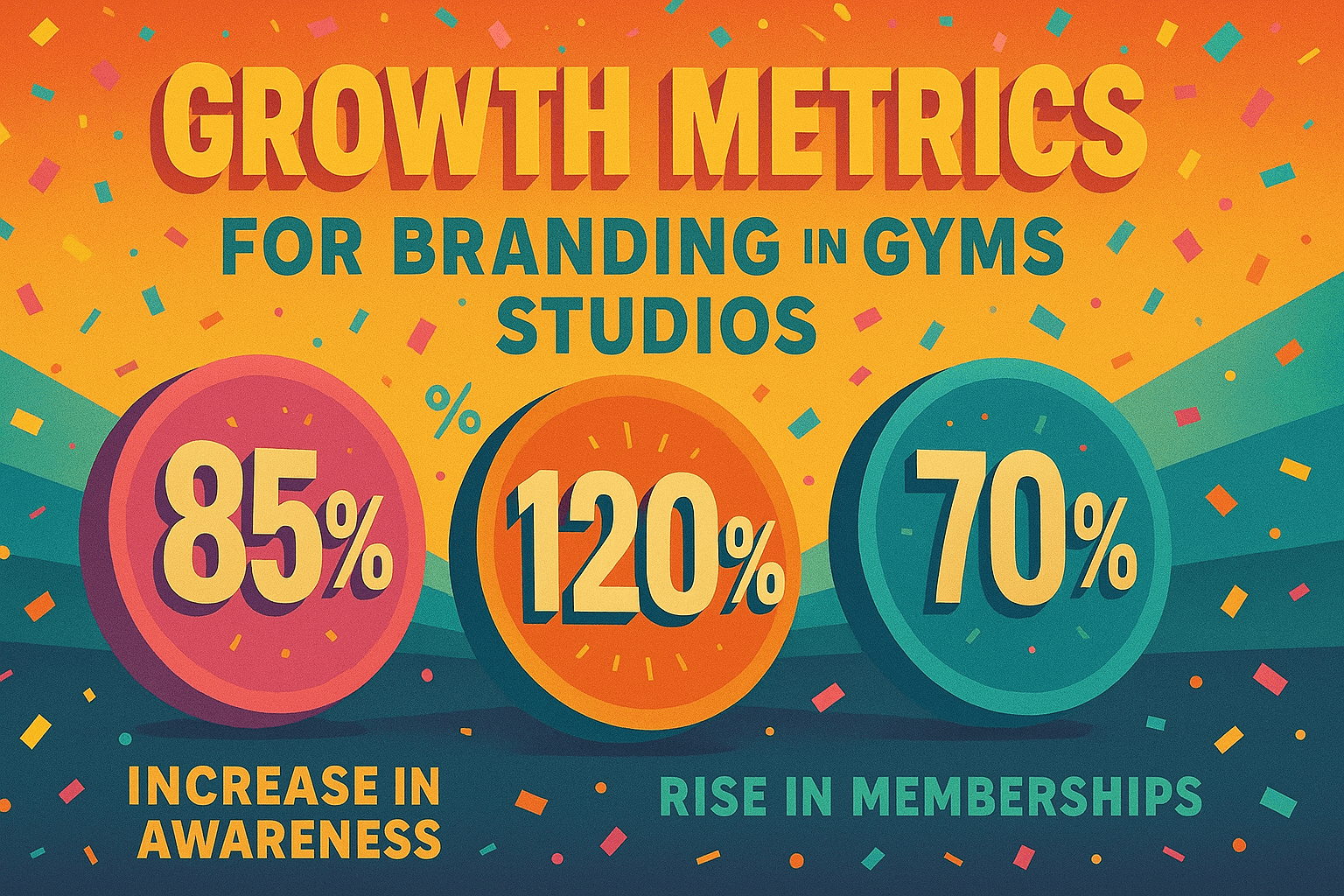
Smart fitness businesses track brand performance through both quantitative metrics and qualitative feedback. Brand awareness can be measured through social media reach and engagement, website traffic and time on site, and brand mention tracking across platforms.
Conversion metrics that reflect branding effectiveness include trial-to-membership conversion rates, referral rates from existing members, average member lifetime value, and premium service uptake rates. Strong branding typically increases all of these metrics by creating deeper emotional connections.
Member satisfaction surveys should include brand-specific questions about why members chose your gym, how they describe your gym to friends, and what makes your gym different from competitors. These qualitative insights help refine your brand messaging and identify opportunities for improvement.
| Metric Category | Key Indicators | Measurement Frequency | Target Improvement |
|---|---|---|---|
| Brand Awareness | Social reach, website traffic | Monthly | 20% quarterly growth |
| Conversion | Trial-to-member rate | Weekly | 15% above baseline |
| Retention | Member lifetime value | Quarterly | 25% increase annually |
| Advocacy | Net Promoter Score | Bi-annually | Score above 50 |
Regular brand audits should evaluate consistency across all touchpoints and identify areas where your brand experience might be diluted or confused. This includes mystery shopping your own facility, reviewing all marketing materials, and analyzing competitor positioning changes.
Implementation Roadmap and Timeline
Rolling out new branding for a fitness business requires careful coordination to maintain member experience while introducing fresh elements. The implementation should be phased to allow for member adaptation and staff training.
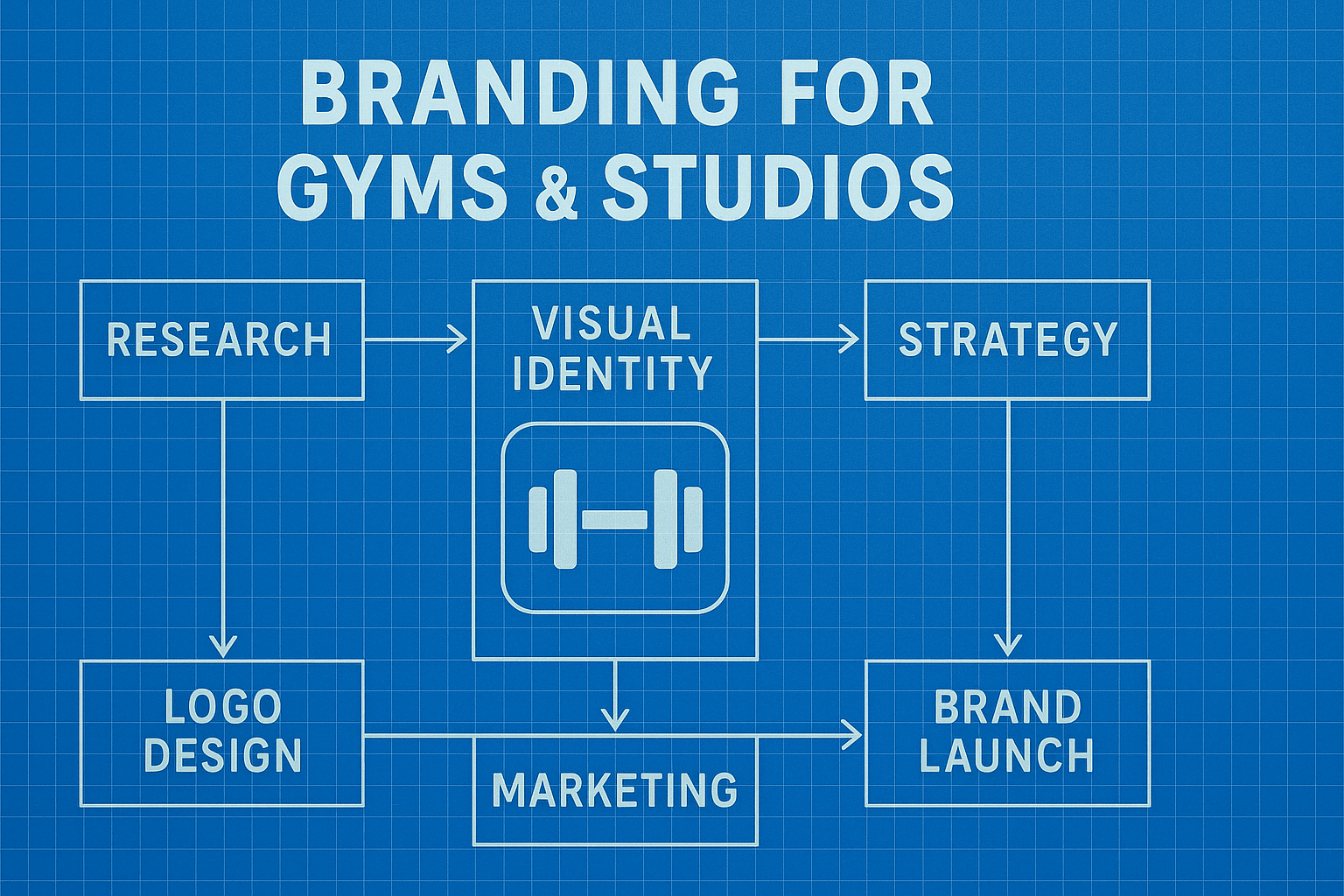
Phase 1 (Weeks 1-2): Foundation and Strategy
- Conduct member and prospect interviews
- Analyze competitor positioning
- Define brand architecture and messaging
- Create brand guidelines document
Phase 2 (Weeks 3-4): Visual Identity Development
- Design logo and visual system
- Develop color palette and typography
- Create photography style guide
- Design branded templates and assets
Phase 3 (Weeks 5-6): Digital Implementation
- Update website with new branding
- Refresh social media profiles
- Create branded content templates
- Update online business listings
Phase 4 (Weeks 7-8): Physical Environment Updates
- Install new signage and graphics
- Update staff uniforms and materials
- Refresh printed collateral
- Train staff on brand implementation
Throughout implementation, gather feedback from existing members to ensure the new branding feels like a natural evolution rather than a complete departure from what they know and love about your facility.
Common Pitfalls and How to Avoid Them
Many fitness businesses make predictable branding mistakes that undermine their investment. The most common error is treating branding as a one-time project rather than an ongoing strategic initiative.
Brand consistency deteriorates quickly without systems and accountability. Create clear brand guidelines that cover everything from social media post templates to how staff should answer the phone. Every team member should understand their role in delivering your brand promise.
Another frequent mistake is changing branding elements too frequently in search of quick results. Brand recognition requires time and consistency. Resist the temptation to constantly tweak colors, logos, or messaging based on short-term performance fluctuations.
Over-complicating the brand message is equally problematic. Your ideal member should be able to understand what you offer and why they should choose you within seconds of encountering your brand. If you can't explain your unique value proposition in one clear sentence, your messaging needs refinement.
Finally, many fitness businesses fail to align their brand promise with their actual member experience. If your branding promises a premium, personalized experience, but members wait in long lines for equipment and rarely interact with staff, the disconnect will drive churn and negative reviews.
Industry-Specific Branding Considerations
Different types of fitness businesses require different branding approaches based on their target demographics, service offerings, and competitive landscapes.
Traditional Gyms and Health Clubs need branding that emphasizes variety, value, and accessibility. Their broad target market requires messaging that appeals to multiple demographic segments while maintaining consistency.
Boutique Fitness Studios can afford more niche positioning since they serve specialized audiences. Their branding should emphasize expertise, community, and transformation outcomes specific to their fitness modality.
Personal Training Studios need branding that builds trust and demonstrates expertise. Social proof and trainer credentials become crucial brand elements since the service is highly personal.
CrossFit and Functional Fitness Gyms should emphasize community, challenge, and measurable progress. Their branding often benefits from a more intense, competitive personality.
Yoga and Mindfulness Studios require branding that feels calming, authentic, and spiritually connected. The visual identity should reflect the peaceful transformation members seek.
Each category has different member expectations, price points, and competitive dynamics that should inform brand positioning and implementation strategies.
Future-Proofing Your Fitness Brand
The fitness industry continues evolving rapidly with new technologies, workout modalities, and consumer preferences. Your branding should be flexible enough to adapt while maintaining core elements that build long-term recognition.
Technology integration is becoming increasingly important for fitness brands. Wearable device compatibility, app-based booking systems, and virtual training options should feel seamlessly integrated with your brand experience rather than like disconnected add-ons.
Sustainability and social responsibility are growing concerns for fitness consumers, particularly younger demographics. Consider how your brand can authentically incorporate environmental consciousness or community service without appearing opportunistic.
The rise of hybrid fitness models—combining in-person and virtual offerings—requires branding that works equally well in physical and digital environments. Your brand should maintain consistency whether members encounter it on a gym wall or smartphone screen.
Plan for scalability if growth is part of your long-term strategy. Brand systems that work for one location may need modification for multiple sites or franchise opportunities. Build flexibility into your brand guidelines from the beginning.
Frequently Asked Questions
Let’s level up your Gyms & Studios business
Need services that actually move the needle for Gyms & Studios? See our approach, pricing, and timelines—then book a quick call.
Additional Resources
- Schedule Your Free Branding Strategy Consultation
Book a complimentary 30-minute strategy session to discuss your gym's branding challenges and discover how professional branding can accelerate growth.
- View Our Fitness Branding Portfolio and Case Studies
Explore successful branding transformations for gyms, studios, and fitness businesses with detailed case studies showing measurable results and ROI.
- Access Free Fitness Branding Tools and Templates
Download free brand audit checklists, messaging templates, and social media guides specifically designed for gyms, studios, and fitness businesses.
Related Reading
Transform your creator brand with strategy that drives sponsorships, engagement, and revenue. Professional branding systems built for influencers who mean business.

Transform your insurance brokerage with strategic branding. Learn how to build trust, differentiate from competitors, and attract ideal clients. Expert strategies inside.
Master advanced branding for SaaS & tech startups with proven frameworks, positioning strategies, and scalable systems that drive growth and customer loyalty.