Analytics & Measurement for Property Management - Fast Wins & Long-Term Gains
by Eric Barker · October 30, 2025
Transform your property management business with data-driven insights that drive real results. Discover proven analytics strategies that deliver immediate wins while building sustainable competitive advantages.
Property management is evolving rapidly, and successful companies are leveraging analytics and measurement to stay ahead of the competition. From tracking tenant satisfaction to optimizing operational efficiency, data-driven decision making has become the cornerstone of profitable property management operations. Modern property managers who embrace comprehensive analytics strategies consistently outperform competitors by 25-40% in key performance metrics including tenant retention, maintenance cost reduction, and portfolio growth.
The shift toward analytics-driven property management isn't just about having more data - it's about transforming raw information into actionable insights that drive measurable business outcomes. Whether you're managing residential complexes, commercial properties, or mixed-use developments, implementing robust measurement frameworks enables you to identify trends, predict challenges, and capitalize on opportunities before your competition even recognizes they exist.

Strategic Analytics Framework for Property Management
Successful analytics implementation in property management requires a structured approach that balances immediate operational needs with long-term strategic goals. The most effective property management companies implement comprehensive measurement frameworks that track performance across multiple dimensions while maintaining focus on key revenue and cost drivers.
A well-designed analytics framework serves as the foundation for all data-driven decisions in your property management business. This framework should encompass tenant lifecycle management, operational efficiency monitoring, financial performance tracking, and market positioning analysis. By establishing clear measurement protocols from the outset, property managers can ensure consistent data collection and meaningful performance comparisons across their entire portfolio.
🎯 Core Performance Indicators
Property management analytics must focus on metrics that directly impact business outcomes. Tenant retention rates, average time to lease, maintenance response times, and net operating income per unit represent the foundational metrics that drive profitability and growth. These indicators provide immediate insight into operational effectiveness while serving as predictive measures for long-term business health.
Establishing baseline measurements for these core indicators enables property managers to identify performance trends, benchmark against industry standards, and set realistic improvement targets. Regular monitoring of these metrics reveals patterns that might otherwise remain hidden, such as seasonal fluctuations in tenant turnover or correlations between maintenance response times and tenant satisfaction scores.
⚡ Real-Time Operational Monitoring
Modern property management demands real-time visibility into operational performance. Implementing systems that provide immediate alerts for critical issues - such as maintenance emergencies, lease expirations, or payment delinquencies - enables proactive management that prevents small problems from becoming costly disasters.
Real-time monitoring extends beyond crisis management to include opportunity identification. Properties with integrated analytics systems report 30-50% faster response times to market changes, enabling them to adjust pricing strategies, identify expansion opportunities, and optimize resource allocation based on current performance data rather than historical reports.
📈 Predictive Analytics Applications
Forward-thinking property managers leverage predictive analytics to anticipate challenges and opportunities before they materialize. By analyzing historical patterns in tenant behavior, maintenance requests, and market conditions, property management companies can forecast future needs and allocate resources more effectively.
Predictive models help identify tenants at risk of non-renewal, properties requiring preventive maintenance attention, and market segments with growth potential. This proactive approach transforms property management from reactive problem-solving to strategic business optimization, resulting in improved profitability and operational efficiency.
Implementation Strategy and Best Practices
Successful analytics implementation requires careful planning, stakeholder buy-in, and systematic execution. Property management companies that achieve the best results from their analytics initiatives follow proven implementation methodologies that minimize disruption while maximizing value creation.
The implementation process begins with comprehensive data audit and system assessment. Understanding current data collection practices, identifying information gaps, and evaluating existing technology infrastructure provides the foundation for designing an analytics strategy that builds upon existing strengths while addressing critical weaknesses.
🔧 Technology Integration Planning
Effective analytics implementation requires seamless integration between property management software, accounting systems, maintenance platforms, and tenant communication tools. The goal is creating a unified data ecosystem where information flows automatically between systems, eliminating manual data entry and reducing the risk of errors.
Modern property management analytics platforms support integration with popular software solutions including Yardi, AppFolio, Buildium, and RentManager. Companies that achieve full system integration report 60-80% reduction in administrative overhead while gaining access to comprehensive performance insights that were previously impossible to obtain.
💡 Data Governance and Quality Control
Reliable analytics depends on consistent, accurate data collection and management. Establishing clear data governance protocols ensures that information is captured uniformly across all properties and systems, enabling meaningful comparisons and trend analysis.
Data quality control measures include automated validation rules, regular audit procedures, and staff training programs that emphasize the importance of accurate data entry. Properties with strong data governance practices achieve 95%+ data accuracy rates, compared to industry averages of 70-80% for companies without formal governance procedures.
🚀 Phased Rollout Methodology
Smart implementation follows a phased approach that delivers quick wins while building toward comprehensive analytics capabilities. Starting with high-impact, low-complexity metrics allows property management teams to demonstrate value and build confidence in analytics-driven decision making.
Phase one typically focuses on operational efficiency metrics such as maintenance response times, lease processing speed, and tenant communication effectiveness. Phase two expands to include financial performance tracking and tenant satisfaction measurement. Phase three incorporates predictive analytics and advanced market intelligence capabilities.

Financial Performance and ROI Tracking
Financial analytics form the backbone of successful property management operations, providing the insights necessary to optimize revenue, control costs, and maximize return on investment. Comprehensive financial measurement goes beyond basic accounting to include performance analysis, benchmarking, and strategic planning capabilities.
Property management financial analytics encompass revenue optimization, expense management, cash flow forecasting, and investment performance evaluation. These measurements provide the foundation for strategic decision making while ensuring day-to-day operations remain profitable and sustainable.
💰 Revenue Optimization Analytics
Maximizing rental income requires sophisticated analysis of market conditions, tenant preferences, and pricing strategies. Revenue optimization analytics help property managers identify opportunities to increase rents, reduce vacancy periods, and improve overall portfolio profitability.
Key revenue metrics include rent-to-market ratios, lease renewal rates at different pricing levels, and correlation analysis between amenities and rental premiums. Properties using data-driven pricing strategies achieve 8-15% higher rental income compared to those relying solely on market comparisons and intuition.
Revenue analytics also reveal opportunities for ancillary income generation through services such as parking, storage, pet fees, and amenity access charges. Understanding tenant willingness to pay for additional services enables property managers to optimize their fee structures and increase per-unit revenue without affecting base rent competitiveness.
📊 Cost Control and Efficiency Measurement
Effective cost management requires detailed analysis of operational expenses across multiple categories including maintenance, utilities, insurance, and administrative overhead. Cost analytics help identify areas where efficiency improvements can generate immediate savings while maintaining service quality.
Maintenance cost analysis reveals patterns in equipment failure, seasonal variations in repair needs, and opportunities for preventive maintenance programs that reduce long-term expenses. Properties with comprehensive maintenance analytics report 20-35% lower repair costs through improved preventive maintenance scheduling and vendor management.
Utility cost analysis helps identify conservation opportunities, evaluate energy efficiency investments, and implement tenant billing strategies that encourage responsible consumption. Smart property managers use utility analytics to negotiate better rates with service providers and identify properties where efficiency upgrades would generate positive returns.
⏰ Cash Flow Forecasting and Planning
Accurate cash flow forecasting enables property managers to make informed decisions about capital improvements, expansion opportunities, and financial planning. Predictive cash flow models incorporate seasonal variations, tenant turnover patterns, and maintenance cycles to provide realistic projections of future financial performance.
Cash flow analytics help identify optimal timing for rent increases, capital expenditures, and portfolio expansion decisions. Properties with sophisticated forecasting capabilities maintain 90%+ accuracy in quarterly financial projections, enabling confident strategic planning and investor relations management.
Tenant Experience and Satisfaction Measurement
Tenant satisfaction directly impacts property profitability through its influence on retention rates, referral generation, and premium pricing opportunities. Comprehensive tenant experience measurement provides the insights necessary to improve service delivery while building competitive advantages that drive long-term success.
Modern tenant experience analytics go beyond simple satisfaction surveys to include behavioral analysis, communication effectiveness measurement, and service quality tracking. This comprehensive approach provides actionable insights that enable property managers to create exceptional tenant experiences while optimizing operational efficiency.
✨ Satisfaction Tracking and Analysis
Systematic tenant satisfaction measurement requires multiple data collection methods including surveys, feedback systems, and behavioral analysis. The most effective approaches combine quantitative metrics with qualitative insights to provide comprehensive understanding of tenant preferences and concerns.
Key satisfaction metrics include overall satisfaction scores, likelihood to recommend ratings, service quality assessments, and facility condition evaluations. Properties that actively measure and respond to tenant feedback achieve 25-40% higher retention rates compared to those with passive feedback collection approaches.
Satisfaction analytics also reveal opportunities for service improvements and amenity enhancements that justify premium pricing. Understanding which aspects of the tenant experience drive satisfaction enables property managers to allocate improvement resources effectively while maximizing impact on retention and revenue.
🏆 Communication Effectiveness Metrics
Effective communication forms the foundation of positive tenant relationships and operational efficiency. Communication analytics track response times, resolution rates, and tenant satisfaction with various communication channels including phone, email, online portals, and mobile applications.
Properties with comprehensive communication measurement systems achieve faster issue resolution, higher tenant satisfaction scores, and reduced operational overhead. Understanding which communication methods work best for different types of issues enables property managers to optimize their service delivery approaches while improving tenant experiences.
🎯 Retention Prediction and Intervention
Predictive analytics help identify tenants at risk of non-renewal, enabling proactive intervention that improves retention rates while reducing turnover costs. Retention prediction models analyze factors such as payment history, maintenance requests, complaint patterns, and communication frequency to identify early warning signs.
Early identification of at-risk tenants enables targeted retention efforts including lease renewal incentives, service improvements, and personalized attention that address specific concerns. Properties using predictive retention analytics achieve 15-30% higher renewal rates while reducing the costs associated with tenant turnover and vacancy periods.
Operational Efficiency and Performance Optimization
Operational excellence requires continuous measurement and optimization of key processes including maintenance management, leasing operations, and administrative procedures. Analytics-driven operational management enables property managers to identify inefficiencies, streamline processes, and improve service quality while controlling costs.
Comprehensive operational analytics provide visibility into performance trends, resource utilization, and process bottlenecks that might otherwise remain hidden. This insight enables data-driven process improvements that enhance both tenant experiences and operational profitability.
🔧 Maintenance Performance Analytics
Maintenance operations represent a significant cost center for property management companies while directly impacting tenant satisfaction and property value. Maintenance analytics help optimize work order management, vendor performance, and preventive maintenance scheduling to improve efficiency and reduce costs.
Key maintenance metrics include average response times, completion rates, tenant satisfaction with repairs, and cost per work order by category. Properties with comprehensive maintenance analytics achieve 30-50% faster resolution times while maintaining higher tenant satisfaction scores and lower overall maintenance costs.
Maintenance analytics also enable predictive maintenance scheduling that prevents equipment failures and extends asset life. By analyzing historical maintenance patterns, property managers can identify optimal timing for preventive maintenance activities that minimize disruption while maximizing equipment reliability.
⚡ Leasing Process Optimization
Efficient leasing processes minimize vacancy periods while ensuring thorough tenant screening and lease preparation. Leasing analytics track metrics such as time from application to lease signing, application approval rates, and lead conversion effectiveness across different marketing channels.
Leasing performance measurement helps identify bottlenecks in the application process, optimize marketing spend allocation, and improve lead qualification procedures. Properties with optimized leasing processes achieve 40-60% shorter vacancy periods while maintaining high-quality tenant selection standards.
Digital leasing analytics provide insights into online application completion rates, virtual tour effectiveness, and mobile-friendly process adoption that enable property managers to optimize their digital tenant acquisition strategies.
📋 Administrative Efficiency Measurement
Administrative operations include rent collection, lease renewals, vendor management, and regulatory compliance activities that require careful monitoring to ensure efficiency and accuracy. Administrative analytics help identify opportunities for automation and process improvements that reduce overhead costs.
Key administrative metrics include rent collection rates, lease processing times, vendor payment accuracy, and compliance audit results. Properties with comprehensive administrative measurement achieve higher operational efficiency ratings and lower administrative costs per unit while maintaining excellent compliance records.
Competitive Intelligence and Market Analysis
Understanding market conditions and competitive positioning enables property managers to make informed decisions about pricing, marketing, and investment strategies. Competitive intelligence analytics provide the insights necessary to maintain market competitiveness while identifying opportunities for differentiation and growth.
Market analysis encompasses rental rate comparisons, amenity benchmarking, occupancy rate tracking, and demographic trend analysis. This comprehensive market intelligence enables property managers to position their properties effectively while adapting to changing market conditions.
🏢 Market Positioning Analytics
Effective market positioning requires detailed understanding of competitor offerings, pricing strategies, and tenant preferences. Market positioning analytics help property managers identify competitive advantages while addressing areas where improvements are needed to maintain market share.
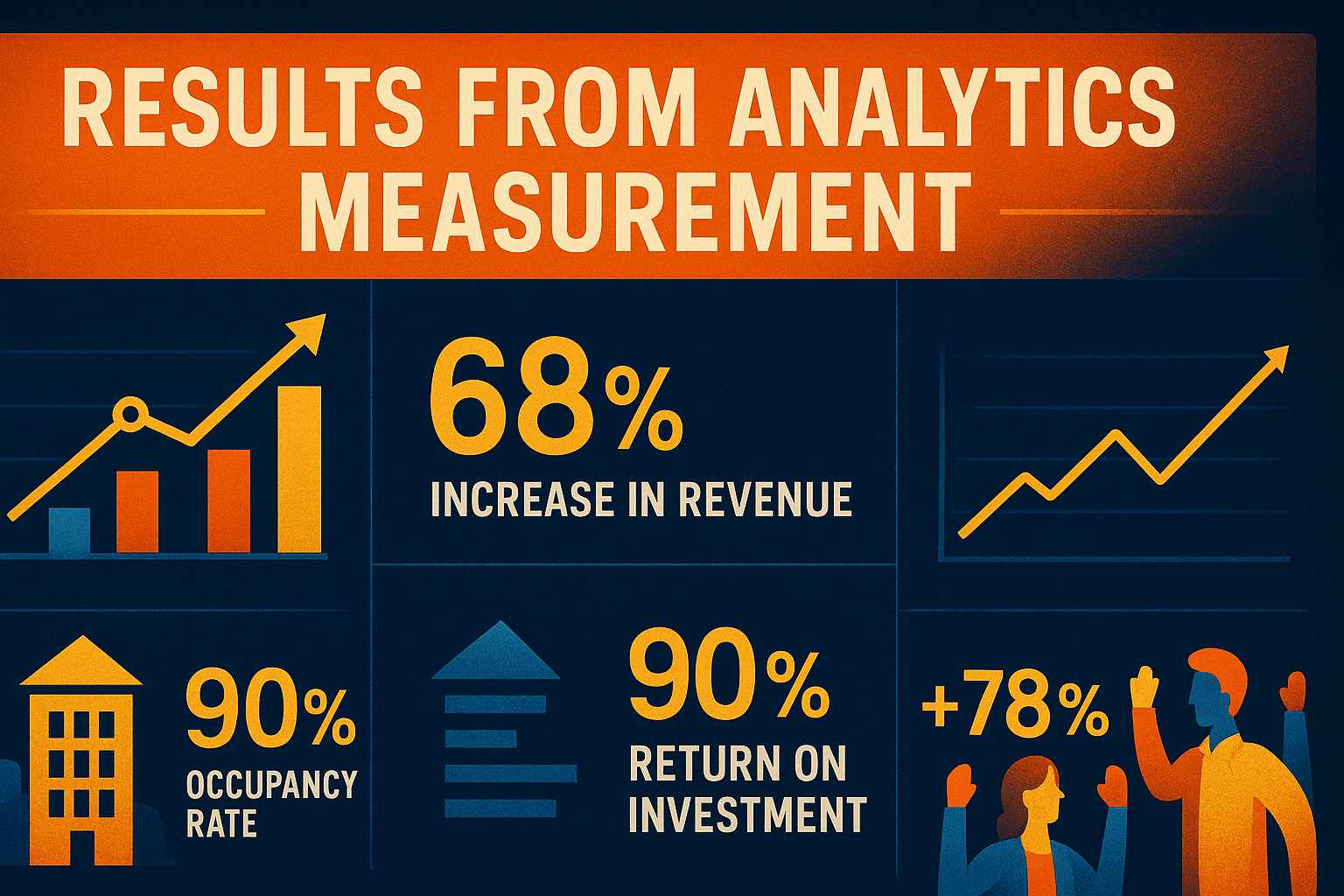
Key positioning metrics include rent-to-market ratios, amenity comparisons, tenant satisfaction rankings, and market share analysis. Properties with comprehensive market positioning analytics achieve 10-20% higher occupancy rates while maintaining competitive rental rates and strong tenant satisfaction scores.
Market positioning analysis also reveals opportunities for strategic differentiation through unique amenities, service offerings, or target market focus that enable premium pricing and competitive advantages.
📈 Trend Analysis and Forecasting
Market trend analysis helps property managers anticipate changes in tenant preferences, demographic shifts, and economic conditions that impact property performance. Trend forecasting enables proactive strategy adjustments that maintain competitiveness while capitalizing on emerging opportunities.
Demographic trend analysis reveals shifts in target tenant populations, income levels, and lifestyle preferences that influence demand for different property types and amenities. Properties that actively monitor and respond to demographic trends achieve higher long-term occupancy rates and stronger financial performance.
Technology Integration and Platform Selection
Successful analytics implementation requires careful technology selection and integration planning. The most effective property management analytics solutions provide seamless connectivity with existing systems while offering scalability and customization options that support long-term business growth.
Modern analytics platforms offer cloud-based deployment, mobile accessibility, and real-time reporting capabilities that enable property managers to access critical information from anywhere while maintaining data security and compliance with industry regulations.
💻 Platform Evaluation Criteria
Selecting the right analytics platform requires evaluation of multiple factors including integration capabilities, reporting features, scalability, user interface design, and total cost of ownership. The best platforms provide comprehensive functionality while remaining intuitive for daily users.
Key evaluation criteria include data integration capabilities, customizable dashboard options, automated reporting features, mobile accessibility, and vendor support quality. Properties that select platforms based on comprehensive evaluation criteria achieve 40-60% higher user adoption rates and greater return on analytics investments.
Platform evaluation should also consider future needs including portfolio growth, additional property types, and evolving regulatory requirements that might impact analytics and reporting needs over time.
🔗 Integration Architecture Planning
Effective analytics requires seamless integration between property management software, accounting systems, maintenance platforms, and tenant communication tools. Integration architecture planning ensures data flows efficiently between systems while maintaining accuracy and timeliness.
Modern integration approaches utilize APIs, automated data synchronization, and cloud-based connectivity that minimize manual intervention while ensuring real-time data availability. Properties with well-designed integration architectures report 70-90% reduction in manual data entry while achieving higher data accuracy and reporting efficiency.
Training and Change Management
Successful analytics implementation requires comprehensive training programs and change management strategies that ensure staff adoption and effective utilization of new systems and processes. The most successful implementations combine technical training with cultural change initiatives that emphasize the value of data-driven decision making.
Training programs should address both technical system usage and analytical thinking skills that enable staff to interpret data effectively and make informed decisions based on insights rather than intuition alone.
👥 Staff Development and Adoption
Analytics adoption requires staff training that covers system usage, data interpretation, and decision-making processes. The most effective training programs combine hands-on system experience with real-world case studies that demonstrate the value of analytics-driven approaches.
Training should be role-specific, providing leasing agents with different analytics tools and skills than maintenance supervisors or property managers. Companies with comprehensive role-based training programs achieve 80-95% staff adoption rates while maintaining high user satisfaction with analytics tools.
Ongoing training and support programs ensure staff remain current with system updates and new analytical capabilities while building advanced skills that maximize the value of analytics investments.
🎯 Performance Measurement and Accountability
Creating accountability for analytics utilization requires clear performance expectations and measurement systems that track usage and outcomes. The most successful implementations include analytics utilization in job descriptions and performance evaluations while providing recognition for data-driven decision making.
Performance measurement should track both system usage and business outcomes that result from analytics-driven decisions. Properties with strong accountability systems achieve higher staff engagement with analytics tools and better business results from their analytics investments.
Frequently Asked Questions
Let’s level up your Property Management business
Need services that actually move the needle for Property Management? See our approach, pricing, and timelines—then book a quick call.
Additional Resources
- Schedule Your Property Management Analytics Consultation
Book a strategic consultation to discuss your property management analytics needs, explore custom solutions, review implementation timelines, and discover how data-driven insights can transform your business operations.
- View Our Property Management Analytics Portfolio
Explore comprehensive case studies showcasing successful analytics implementations for property management companies, featuring ROI metrics, performance improvements, and strategic outcomes achieved through data-driven approaches.
- Access Free Property Management Analytics Tools
Download complimentary analytics templates, ROI calculators, performance dashboards, and measurement frameworks designed specifically for property management companies to accelerate your data-driven transformation journey immediately.
Related Reading
Transform your personal training business with powerful analytics & measurement strategies. Get proven frameworks, KPIs, and tools to track what matters 💪🎯
Transform your SaaS startup's data into actionable insights. Expert analytics & measurement setup with GA4, attribution modeling, and revenue-focused dashboards.
Transform your personal training business with analytics & measurement. Track client progress, optimize programs, and prove ROI with GA4, dashboards, and attribution modeling in 2026.